Rise Health & Wellness Peptides

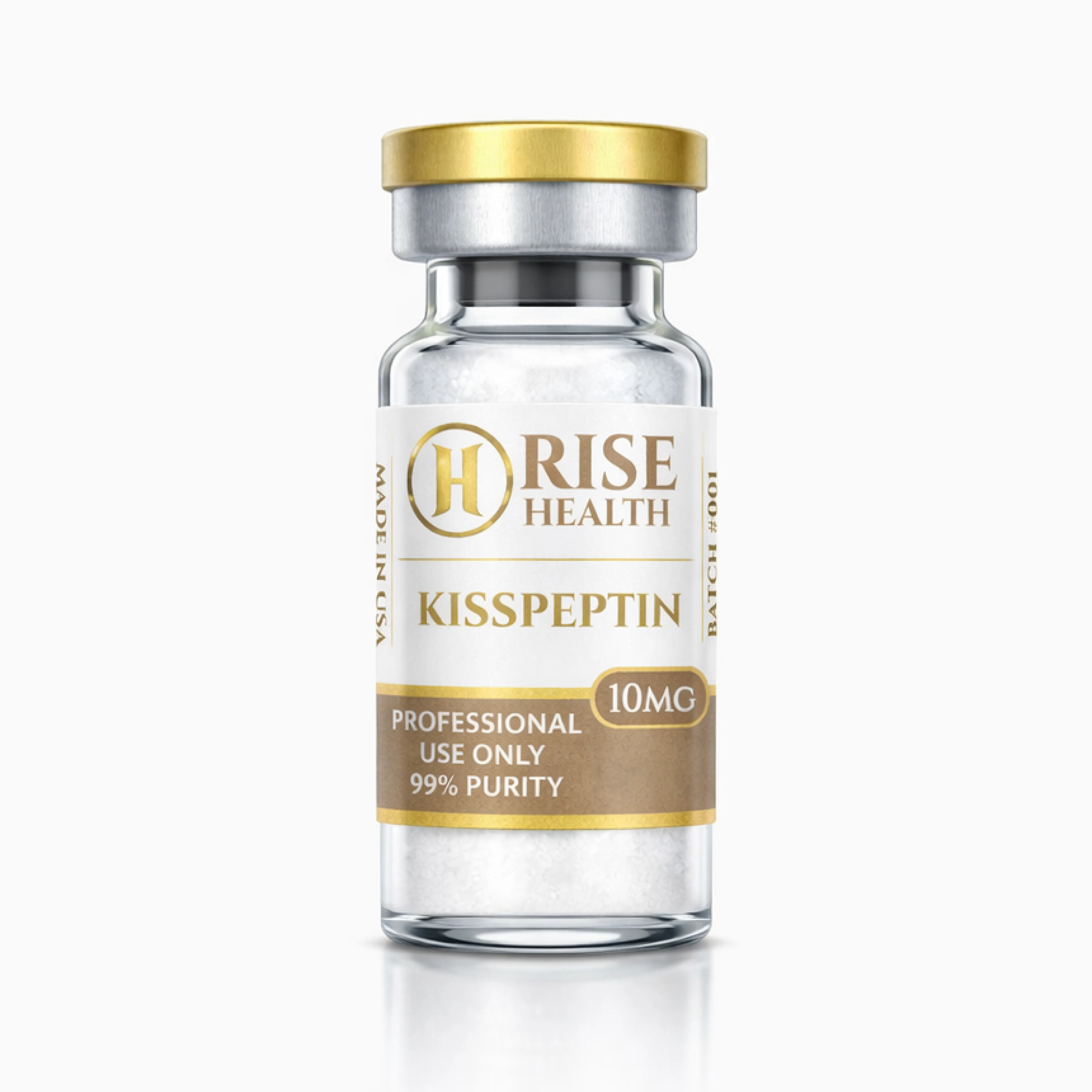
KISSPEPTIN (10mg)
$150.00 USD
Buy Now
Rise Health

Kisspeptin is a neuropeptide hormone that plays a central role in the regulation of the reproductive hormone axis. It acts as a master regulator of gonadotropin-releasing hormone (GnRH) by binding to the KISS1 receptor (GPR54) in the hypothalamus. This triggers the release of GnRH, which subsequently stimulates the secretion of luteinizing hormone (LH) and follicle-stimulating hormone (FSH), governing sex hormone production and reproductive function. Kisspeptin is increasingly recognized for its therapeutic potential in fertility, puberty regulation, and hormone restoration.

Current Research Focus

Primary Research Areas:

  • Natural stimulation of sex hormone production (testosterone, estrogen, progesterone)
  • Male and female fertility support (e.g., ovulation, sperm production)
  • Hormone restoration during HRT while preserving fertility
  • Treatment of delayed or disordered puberty
  • Management of hypogonadotropic hypogonadism
  • Potential applications in assisted reproductive technology (ART)
Mechanism of Action

1. Receptor Binding (KISS1R): Binds to the KISS1 receptor (GPR54) in the hypothalamus, primarily on GnRH neurons.

2. Intracellular Calcium Signaling: Activates G-protein pathways, triggering phospholipase C (PLC) and increasing intracellular Ca²⁺, leading to depolarization of GnRH neurons.

3. GnRH Release: Stimulates pulsatile release of gonadotropin-releasing hormone (GnRH), promoting LH and FSH secretion from the pituitary.

4. Downstream Hormonal Cascade: LH and FSH act on the gonads to stimulate sex hormone production and regulate fertility.

5. Hormonal Feedback Regulation: Estrogen and testosterone modulate kisspeptin signaling to maintain endocrine balance; metabolic stress may influence activity.

Key Research Studies

1. Fertility Regulation via GnRH Stimulation

  • Findings: Increased GnRH, LH, and FSH levels, supporting ovulation and spermatogenesis.
  • Clinical Insight: Demonstrated potential as an alternative to GnRH agonists/antagonists in fertility therapies.
  • Reference: PubMed ID 21310881
  • Link: View Study

2. Hypogonadotropic Hypogonadism Treatment

  • Findings: Restored reproductive hormone levels in individuals with GnRH deficiency.
  • Implication: Potential therapeutic application in male and female fertility disorders.
  • Reference: PubMed ID 21262681
  • Link: View Study
Biological Effects and Benefits
Stimulates Natural Hormone Production:
Activates GnRH release, increasing LH and FSH levels to naturally boost testosterone or estrogen production.
Supports Fertility in Men and Women:
In women, it may help regulate cycles and induce ovulation. In men, it can support testicular function and stimulate sperm production.
Biological Effects
Preserves and Enhances Fertility During HRT:
Unlike traditional hormone therapy, it supports the body's own hormone production, helping maintain fertility.
Promotes Pubertal Development:
Helps initiate and regulate puberty in adolescents with delayed or disordered sexual development.

Biological Effects and Benefits

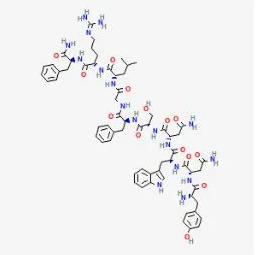
Sequence: YNWNSFGLRF (Tyrosine-Asparagine-Tryptophan-Asparagine-Serine-Phenylalanine-Glycine-Leucine-Arginine-Phenylalanine)

Molecular Formula: C63H83N17O14

Molecular Weight: ~6,000–6,200 Da (≈6.1 kDa)

Related Products